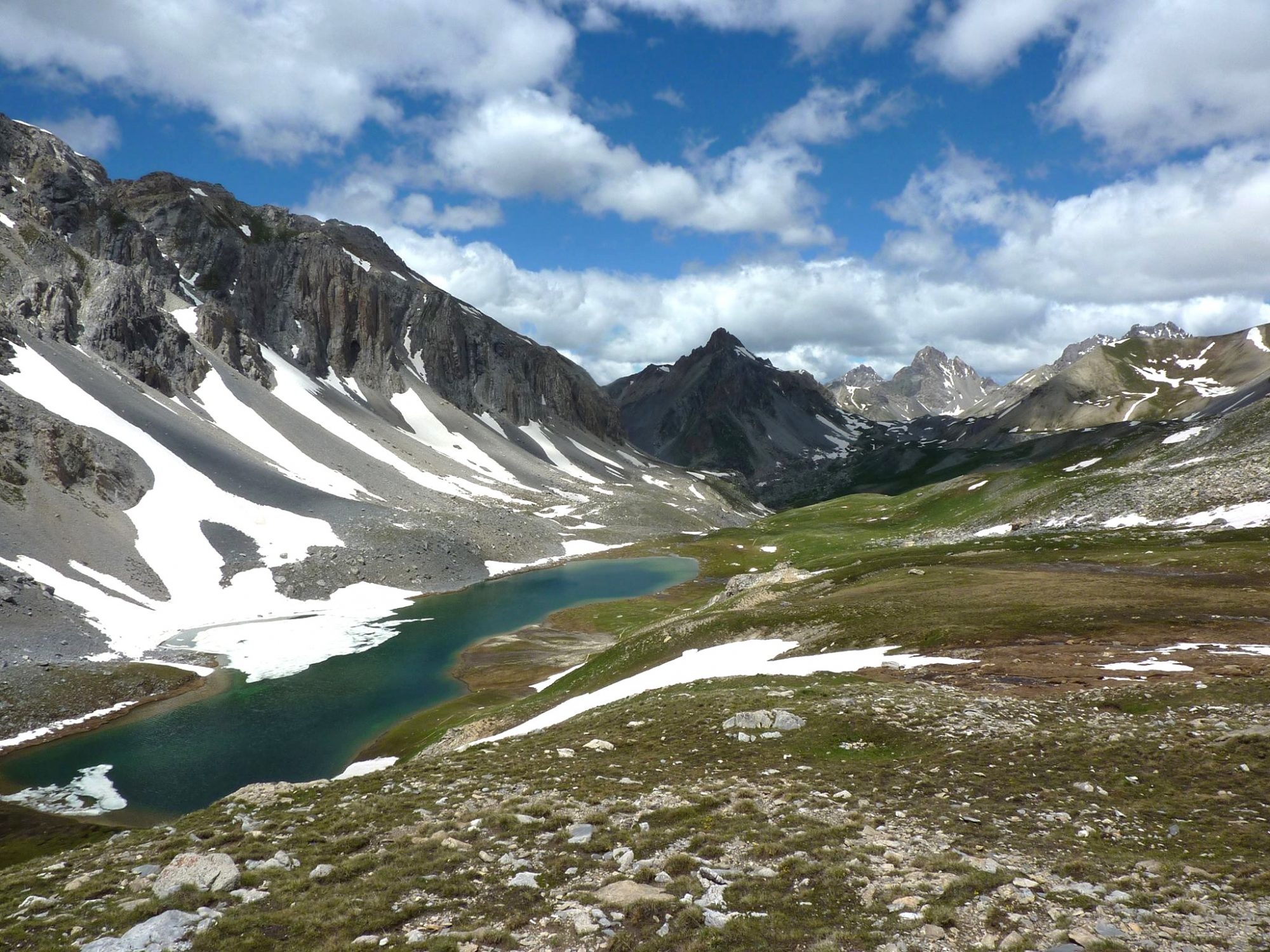
From a Gentle Walk to a Self-Sufficient Trek
Beyond the technical and educational contributions, I enjoy sharing my passion for the environment, creating bridges between humans and their surroundings, and connecting with the fascinating inhabitants—whether they have fur, feathers, scales, leaves, or flowers...
Naturalist Guide – Accompagnateur en Moyenne Montagne (AMM): Mountain Leader
Holder of the State Mountain Leader Diploma (Brevet d’État d’Alpinisme, AMM) (AMM) since 2014, I offer hikes,, des etnobotanics courses, and naturalist courses,, des trekkings.A lover of wide open spaces and raw nature in all its forms, I am particularly drawn to off-the-beaten-path routes.
A Mountain Leader (AMM) is above all a sports educator. They organize, guide, and teach hiking and snowshoeing—ranging from simple walks to autonomous treks—both in France and abroad. They are also naturalist guides, sharing their knowledge of the natural environment with a wide audience.
The frech title of the diploma can be misleading: an AMM is not limited by altitude. Their true limits lie in the equipment they are authorized to use to ensure the progress and safety of their group.
Thus, an AMM may lead groups across all types of mountain terrain, except:
- glaciers
- areas where the use of specific technical gear (ropes, crampons, ice axes, etc.) is essential for participant safety
Mountain leaders do more than just guide hikes. Their expertise spans a wide range of fields including wildlife, flora, geology, local heritage, ecology, as well as the cultural and traditional practices of the regions they traverse. Their knowledge is not necessarily limited to mountainous environments. They:
- Design and organize hikes and treks (on foot or snowshoes in winter)
- Assess terrain conditions, weather, and risks, adapting routes accordingly.
- Lead diverse groups: children, adults, people with disabilities, school groups, tourists, and more.
- Train participants in mountain self-reliance: orientation/navigation, safety, logistics, respect for natural sites...
- Organize and lead themed outings and workshops according to their specialties—botany, wildlife photography, and more...
- Share a sensitive and naturalist approach to the environment.

Hikes
Hikes can be half-day or full-day outings, in all seasons. They can include bivouacs or nights in mountain refuges, and are open to school groups (discovery classes, educational or extracurricular projects), individuals, families, groups of friends, or companies curious to better understand their environment. A wide variety of themes can be explored—playfully or more didactically. The level of physical commitment is tailored to the group, but one constant remains: whether it’s spending a few lazy hours in the meadows or testing your endurance on a strenuous route, immersion in nature is always an unforgettable experience.
Themes
- Ecology
- Wildlife
- Flora (botany and ethnobotany)
- Geology and geomorphology
- Meteorology, climates, and microclimates
- History, archaeology, tales and legends
- Sensory awakening
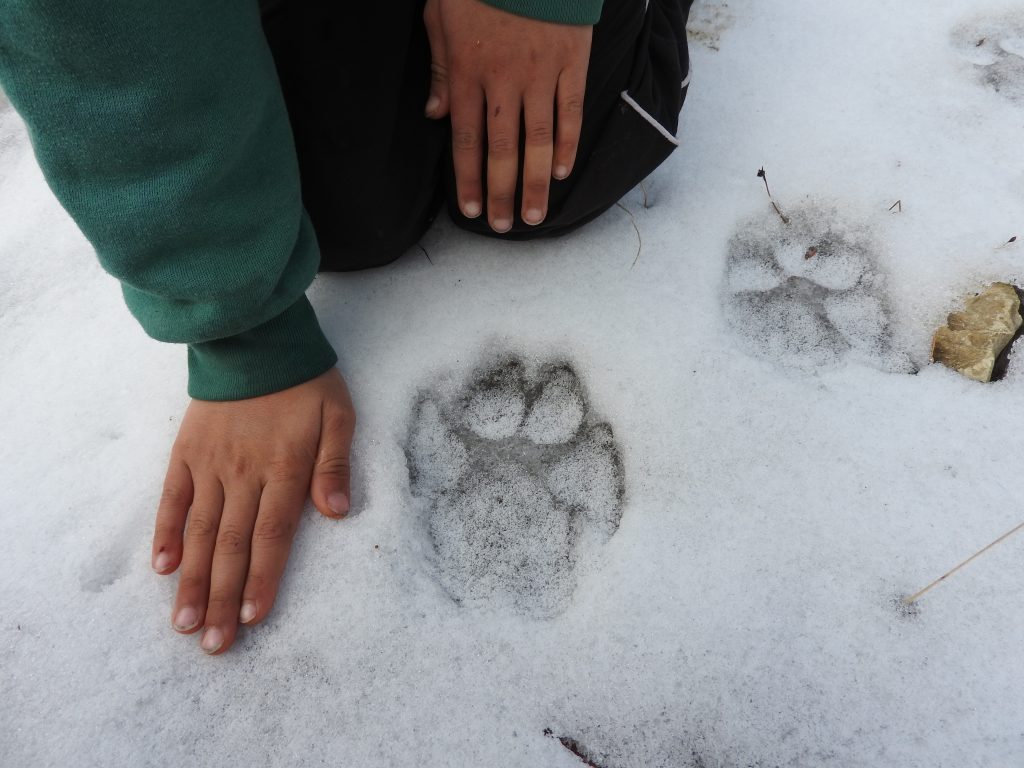
- Tracks, signs of presence, reading the landscape — learning to read nature like an open book
- Behind the camera: photography, video, drone footage in the wild — reconciling respect and image hunting
- Sportive hikes: physical effort, altitude, changing weather conditions, adaptation, and recovery
Mountain autonomy
With their strong educational focus, hikes oriented toward self-sufficiency are similar to training courses. They are aimed at those who wish to progress toward the freedom of a truly mastered practice. Navigation, logistics, and safety are three inseparable pillars, but experience, time, self-knowledge, and understanding of the environment are just as important. These modules are adapted to all experience levels—from beginner hikers to seasoned trekkers—whether you want to prepare for a major trek or simply gain more autonomy.
Modules
Navigation
- Learn to read and interpret a topographic map precisely, recognizing every detail on the ground
- Use instruments (compass, altimeter, GPS…)
- Design and follow a coherent route, including off-trail sections
- Estimate travel time, considering terrain, obstacles, best passage options, and possible escape or retreat routes
Bivouac
- Choose the right equipment based on your project and conditions
- Prepare your pack efficiently, select food, and identify a suitable campsite depending on environment and weather
- Manage food and water: understand methods of collection, filtration, and storage, adjust quantity and quality of supplies to your effort… and plan for the unexpected
Safety
- Anticipate weather and terrain conditions and adapt decisions accordingly
- Learn best practices and essential rules for mountain safety and rescue
- Know your standard and specialized gear
- Manage effort and fatigue
- Avoid the pitfalls of “too much or too little”: overconfidence, ultralight trends, dependence on smartphones, etc.
Winter Hikes
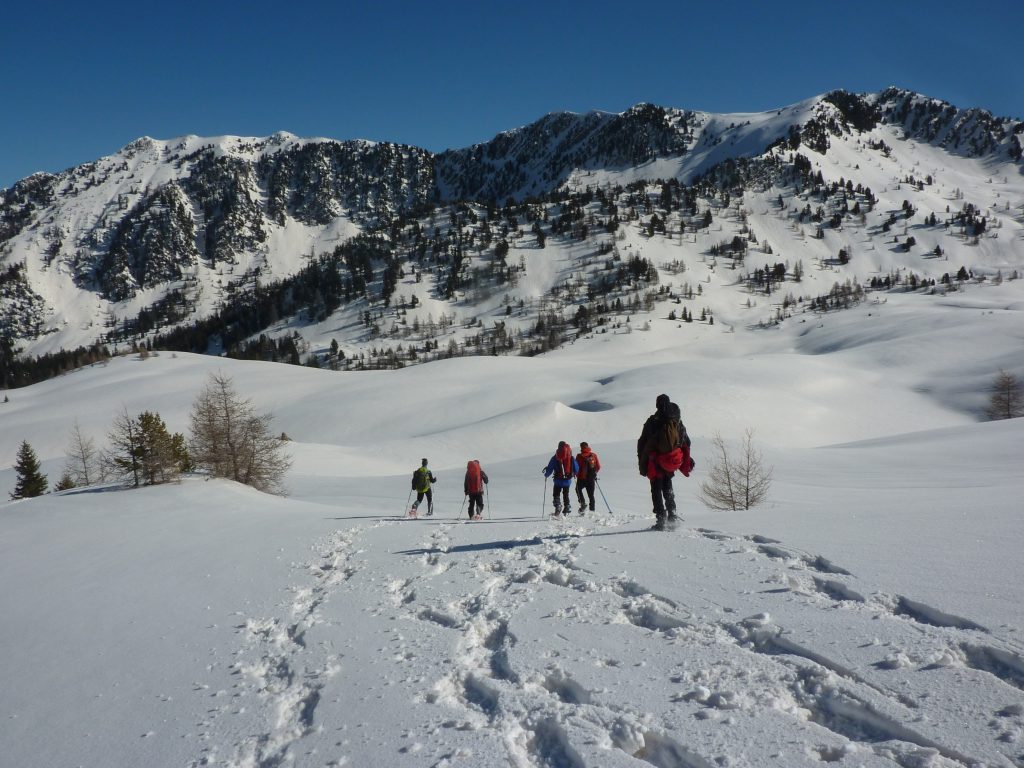
Snowshoes on, pristine landscapes, the silence of winter… The magic of winter hiking is fully experienced when you’re well prepared. Yet, with decreasing snowfall, sometimes hiking on dry ground makes more sense!
Themes
- Progressing in snowy terrain, managing effort and rest according to conditions
- Choosing equipment, food, and safety tools (avalanche transceiver, shovel, probe…)
- Tracks, signs of presence, landscape reading
- Appreciating the strength and resilience of winter’s true heroes—the animals and plants that survive the cold season
- Building igloos and snow shelters
- Understanding the inherent risks of snowy environments: avalanches, cold, loss of landmarks…
- Snow science (nivology – the study of snow and snowpack)
- Winter tales and legends
Mountain autonomy
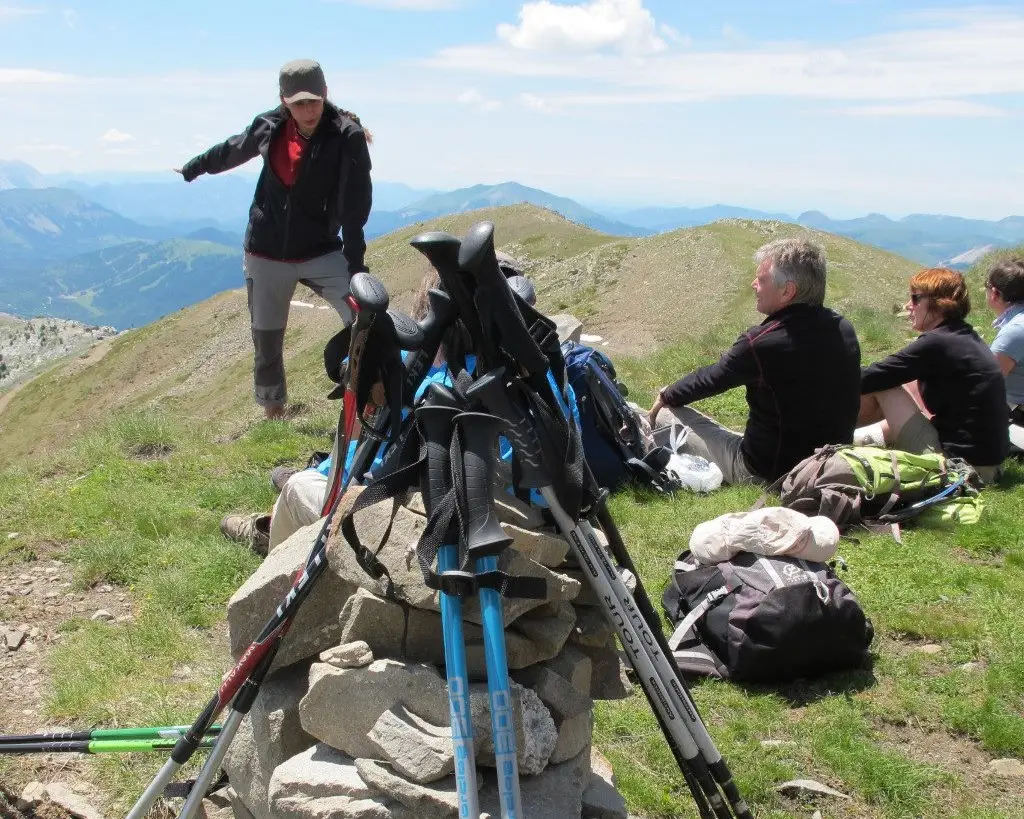
Progressing toward autonomybegins with knowing yourself and your environment. Solid foundations in navigation, logistics, and safety are indispensable. Learning is the key to freedom.
For Schools, families, and more
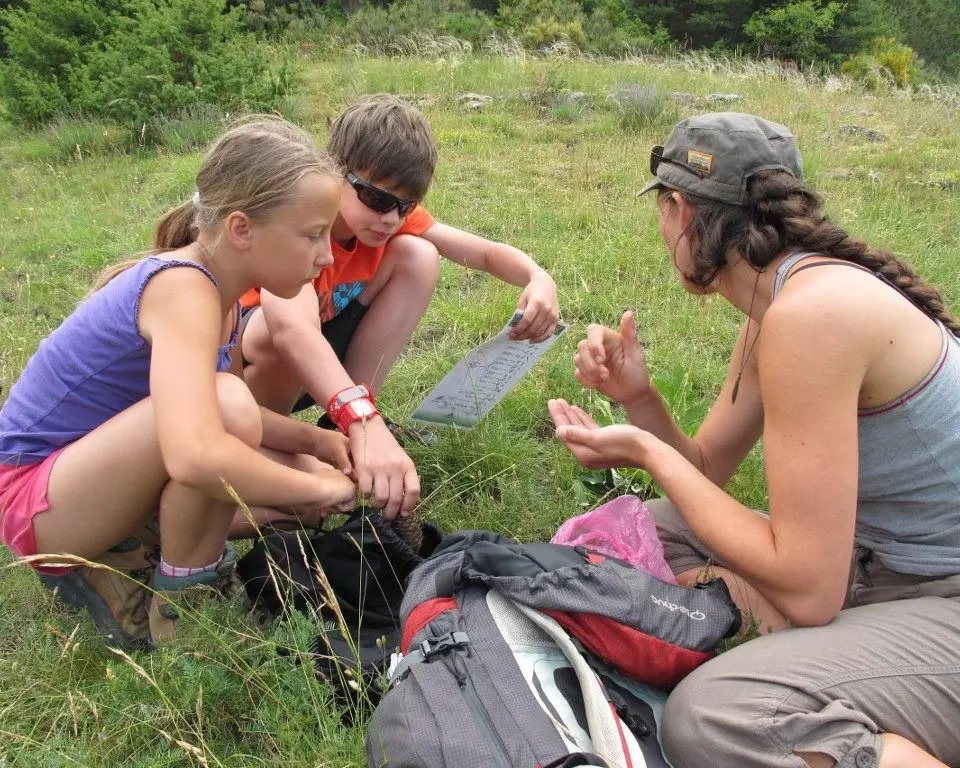
Discovering one’s environmentbroadens our field of vision and perception. Perfect for discovery classes, educational projects, groups of friends, companies, or families eager to reconnect with nature.
Winter Hikes
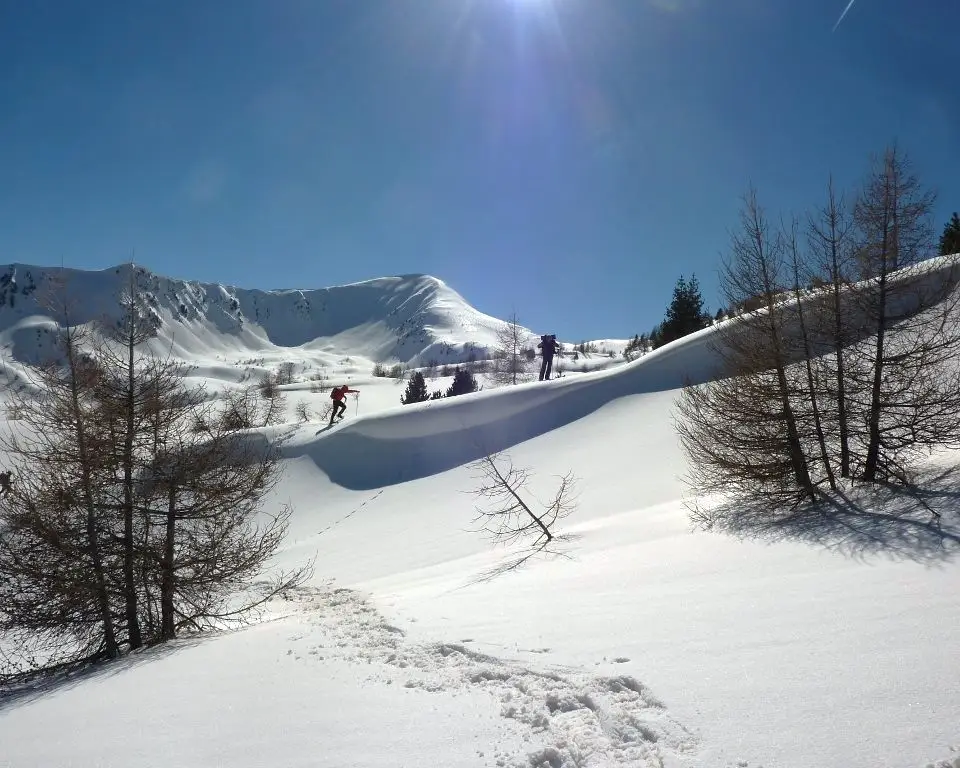
Exploring the winter worldmeans entering a different realm. Landmarks fade, progress slows, and encounters with wildlife remind us of humility—following in the tracks of hares and wolves…
“Nature offers what nourishes and heals the body, and what awakens the soul, heart, and spirit.”
Pierre Rabhi


And also