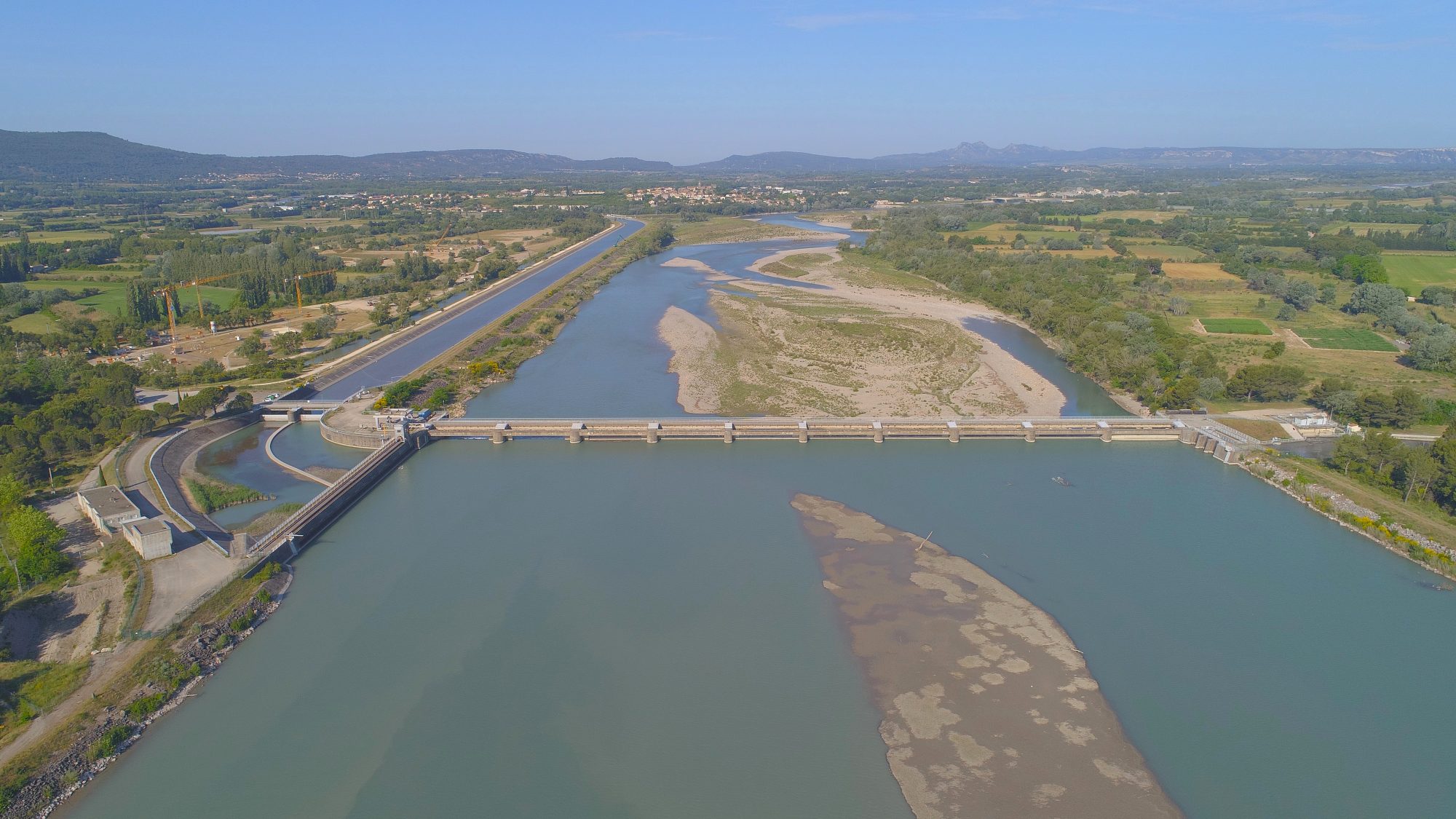
Drones have transformed the audiovisual world.In the past, capturing aerial footage required substantial resources, specialized crews, and a helicopter. Today, a videographer can capture spectacular images with compact, even ultra-light, equipment.
However, creating beautiful aerial images is not something one improvises: it requires skill, practice, and true technical mastery. It is a full-fledged profession and an art form, best entrusted to a professional to fully exploit its aesthetic and cinematic potential.
A licensed drone pilot since 2019, I have come to appreciate these curious machines, which, if handled carelessly, can become deeply intrusive. Their technology evolves rapidly, regulations change almost as fast, but one thing remains constant: we have introduced intruders into the sky. Flying a drone is never without impact — on the environment or on people nearby. That responsibility must be assumed.
Yet, with care, experience, dialogue, compliance with regulations, and respect for wildlife and domestic animals, it is possible to minimize disruption. This ethical approach may take more time, but the world is not merely a living backdrop.
Drone pilot
A professional drone pilot is responsible for the technical and administrative preparation of missions, operating remotely piloted aircraft while ensuring the safety of people and property, and reporting on mission progress and any anomalies encountered. The legal framework governing drone operations is evolving to harmonize practices across the European Union.
- Drone classification: Drones are categorized based on weight, speed, and accessories. This system helps identify risks during flights, with each category requiring specific equipment.
- Risk levels: Flight operations are divided into three main risk categories. The open category carries the lowest risk, while the certified category applies to high-risk operations.
- Pilot certification: Drone pilots must obtain the Theoretical Drone Pilot Certificate (CATT) or CATPD, which ensure mastery of current regulations and safety standards.
- Professional obligations: Pilots must follow rigorous procedures covering both personal safety and infrastructure protection. The pilot is responsible for flight monitoring and control of the equipment.
- Risk-based measures: The level of risk determines the scope of safety measures and the use of protective devices required during operations.