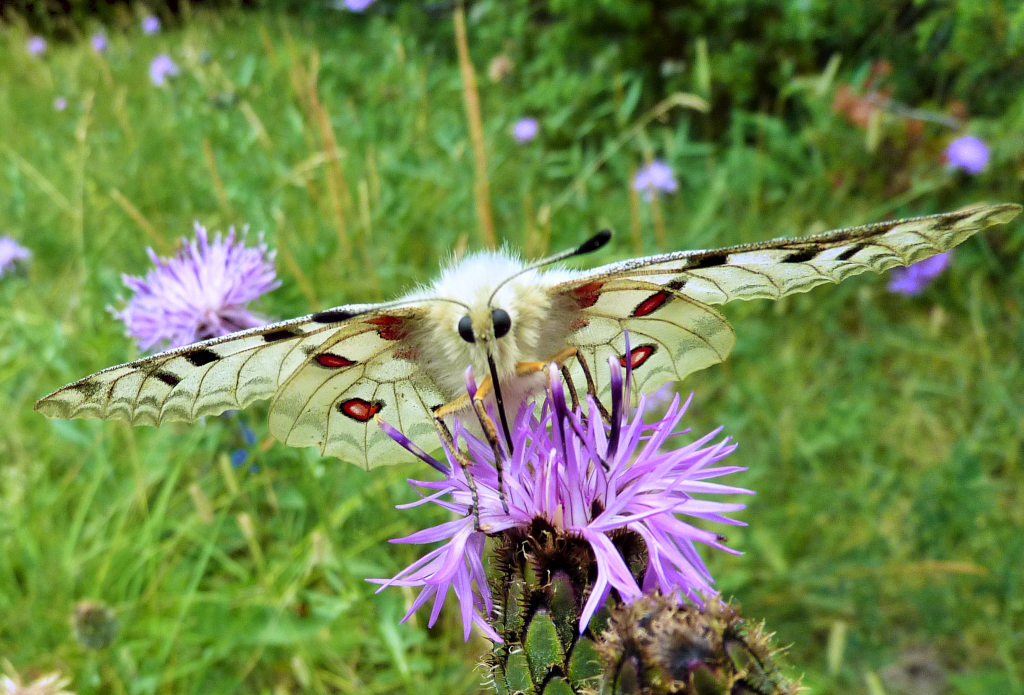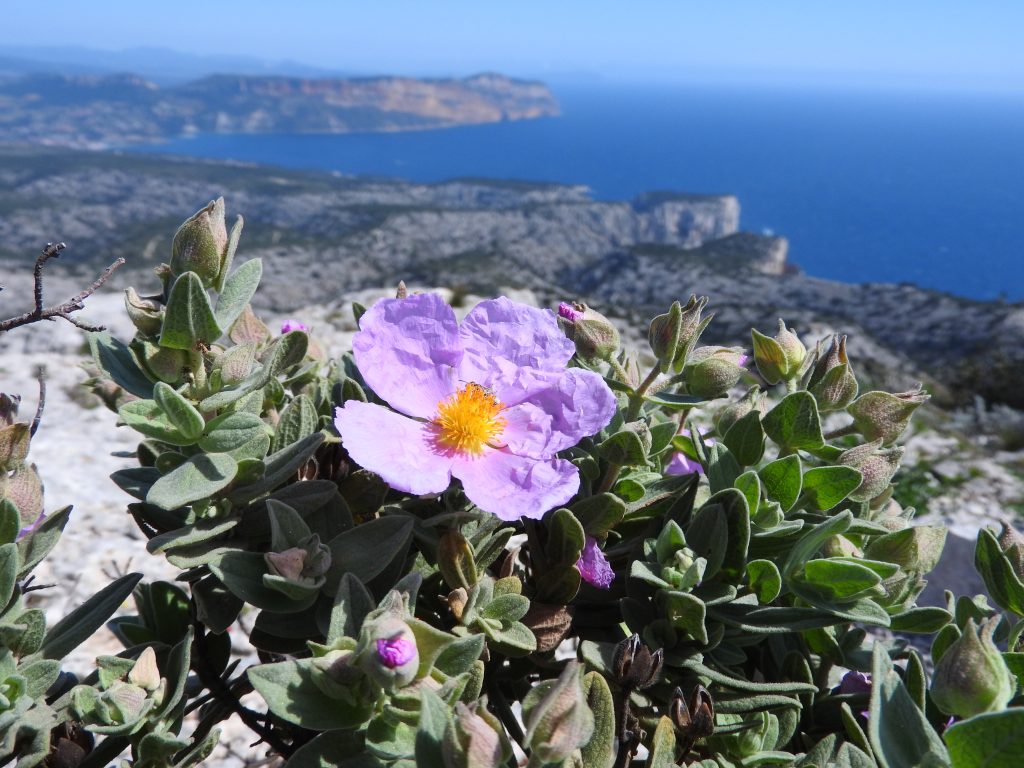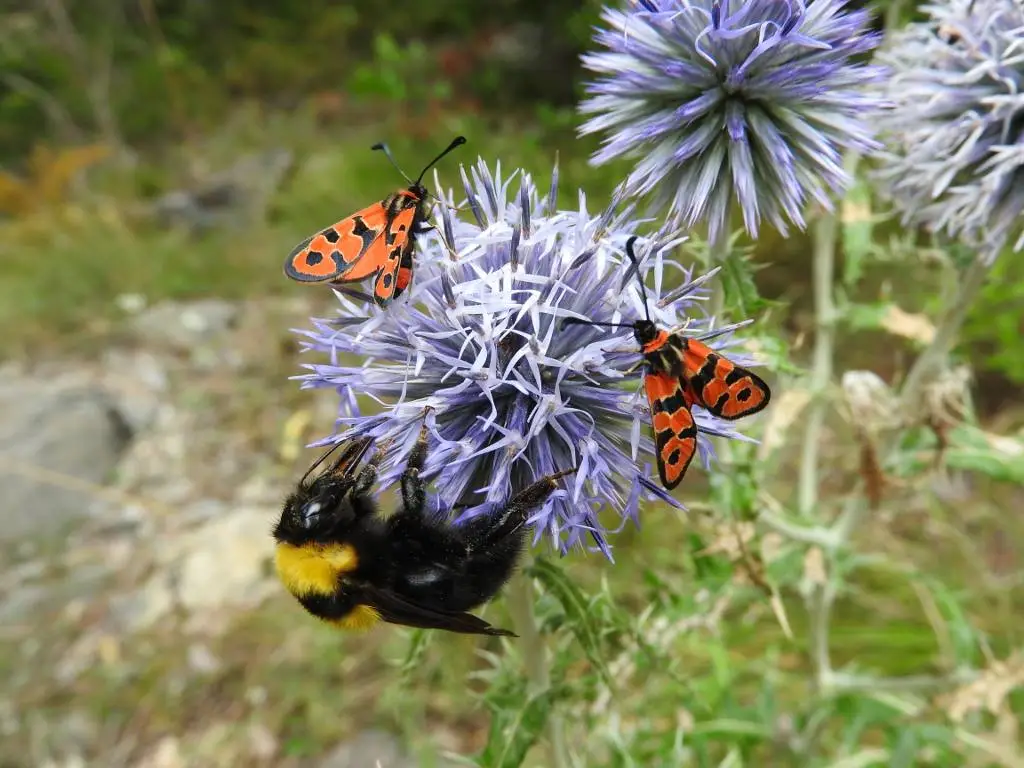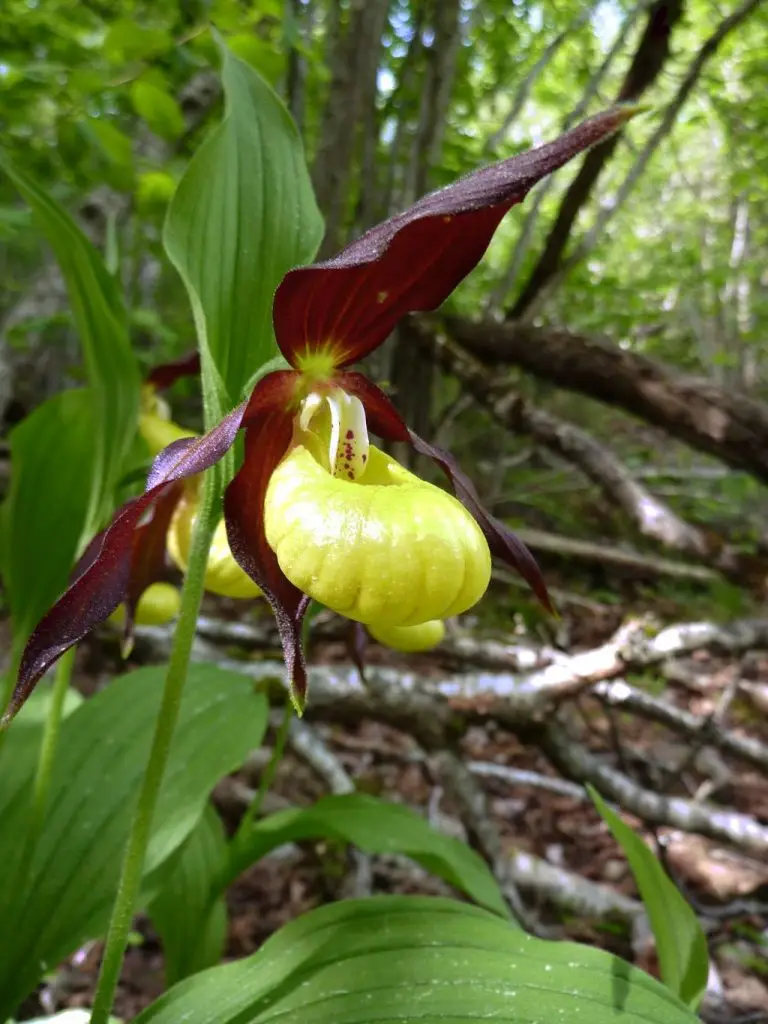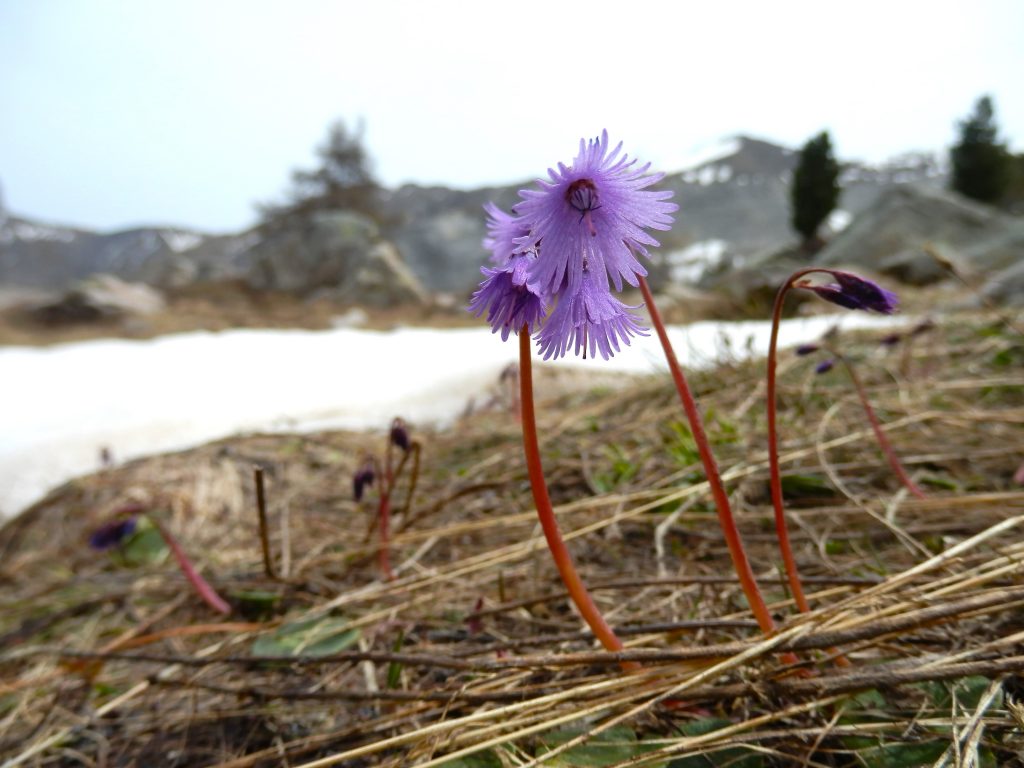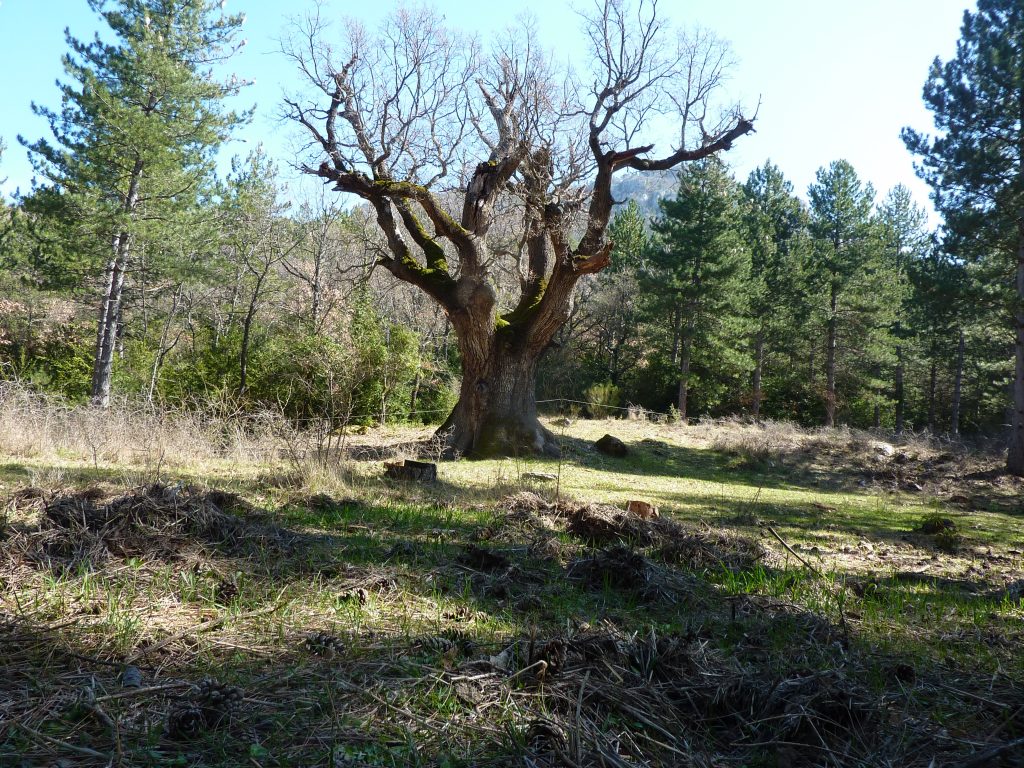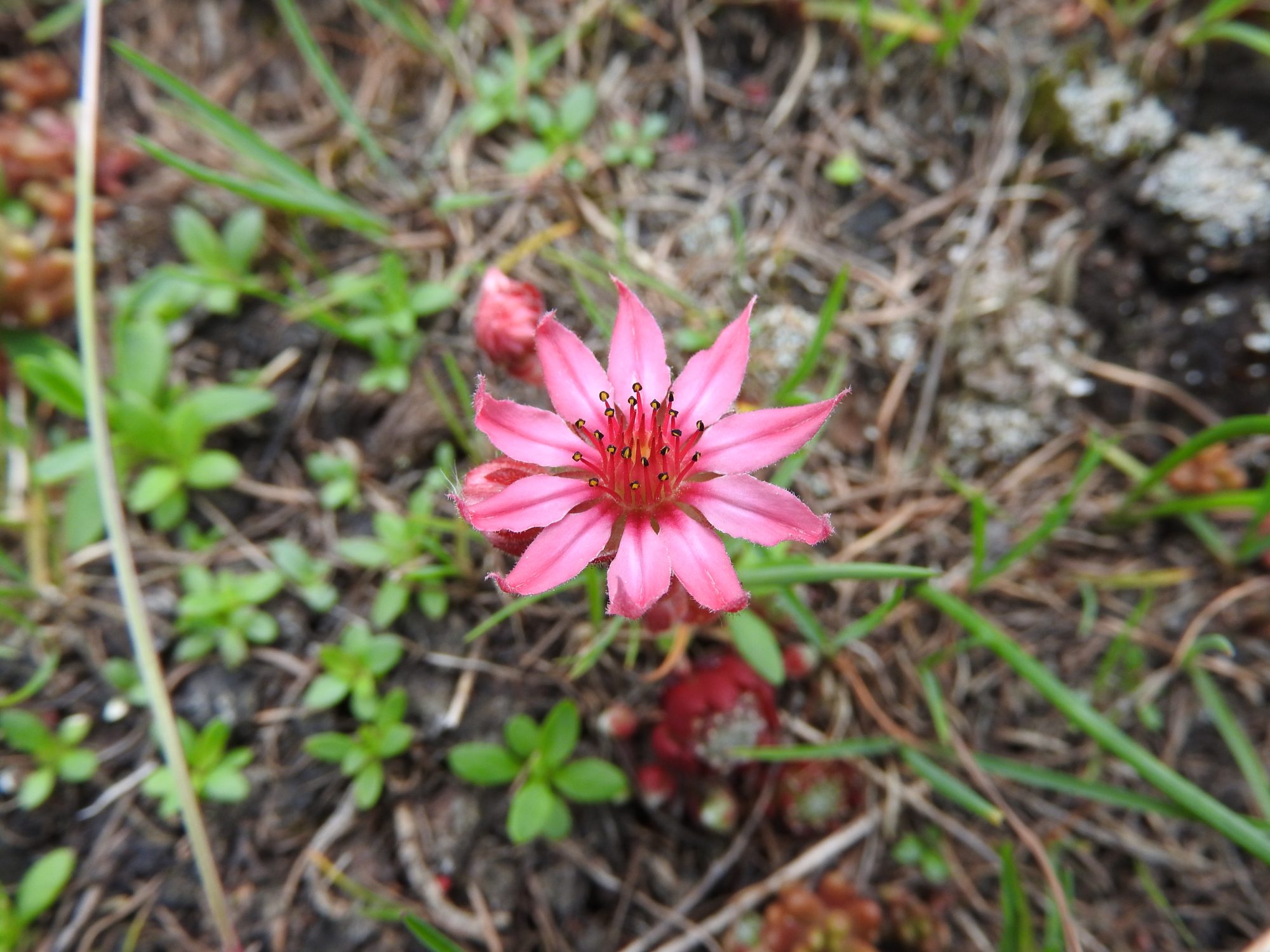
The courses are open to beginners and curious nature enthusiasts. They are primarily field-based training sessions, but given the strong educational focus, the physical effort required is lighter than on a standard hike.
Naturalist Guide – Accompagnateur en Moyenne Montagne (AMM): Mountain Leader
Holder of brevet d’état d’alpinisme d’Accompagnatrice en Moyenne Montagne since 2014, I offer guided hikes, naturalist and ethnobotanical courses, and treks. A lover of wide open spaces and untamed nature in all its forms, I have a particular fondness for off-the-beaten-path itineraries.
A Mountain Leader (AMM) is above all a sports educator. They organize, guide, and teach hiking and snowshoeing—ranging from simple walks to autonomous treks—both in France and abroad. They are also naturalist guides, sharing their knowledge of the natural environment with a wide audience.
The frech title of the diploma can be misleading: an AMM is not limited by altitude. Their true limits lie in the equipment they are authorized to use to ensure the progress and safety of their group.
Thus, an AMM may lead groups across all types of mountain terrain, except:
- glaciers
- areas where the use of specific technical gear (ropes, crampons, ice axes, etc.) is essential for participant safety
Mountain leaders do more than just guide hikes. Their expertise spans a wide range of fields including wildlife, flora, geology, local heritage, ecology, as well as the cultural and traditional practices of the regions they traverse. Their knowledge is not necessarily limited to mountainous environments. They:
- Design and organize hikes and treks (on foot or snowshoes in winter)
- Assess terrain conditions, weather, and risks, adapting routes accordingly.
- Lead diverse groups: children, adults, people with disabilities, school groups, tourists, and more.
- Train participants in mountain self-reliance: orientation/navigation, safety, logistics, respect for natural sites...
- Organize and lead themed outings and workshops according to their specialties—botany, wildlife photography, and more...
- Share a sensitive and naturalist approach to the environment.
Beyond the educational aspect, I love sharing my passion for the natural world—creating connections between people and their surroundings, and with the fascinating beings who inhabit them, whether furred, feathered, scaled, leafed, or in bloom.

What is Ethnobotany?
Ethnobotany is the science that studies the relationships and interconnections between humans and plants. To understand these complex links, a few fundamental principles are essential:
- Learning the basics of classification. This is the foundation, and an indispensable one. Just like us, plants share traits with members of their own families — yet some species can be deceiving look-alikes.
- La Plant physiology. Understanding how a plant functions is crucial. Why leaves instead of needles? What is the purpose of those volatile compounds that become our essential oils? How sensitive are plants? Do they possess a form of awareness?
- Ecology,in other words, the intra- and interspecific relationships within their living environments. Before even speaking of human–plant relationships, we must look at how plants interact with the other elements of their ecosystems. Everything is connected — and that is something truly beautiful.
Beyond these fundamentals, we explore an incredibly diverse range of topics: the edibility of plants, their medicinal properties, traditional craft uses such as dyeing and basketry, but also lesser-known aspects—their place in architecture, folklore, legends, the evolution of our language, and toponymy (place names). And since everything is interdependent, we’ll also discuss soils and underground life, fungi and bacteria, fauna, ecosystem dynamics, geology, geomorphology, climate, and meteorology—a list that is, of course, far from exhaustive.